Control Operational Costs with Occupancy Sensors
LightCorp’s customer service team often receives questions about vacancy and occupancy sensors—their purpose, differences, and benefits. This post provides helpful background on this popular lighting feature.
What are occupancy and vacancy sensors?
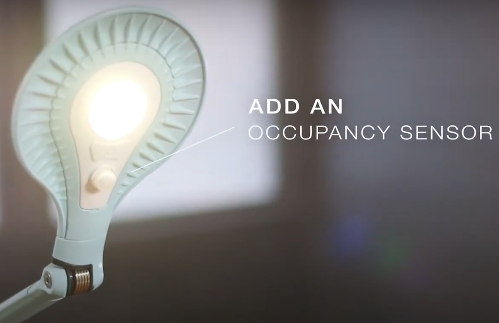
To begin, occupancy and vacancy sensors are defined as a mechanism that senses the presence of an occupant in a space to control lighting for the purpose of energy conservation. Also referred to as motion sensors, (or sometimes presence sensors) these lighting controls can power a fixture on and/or off, or can even dim the brightness of a fixture, depending on its programming.
What’s the difference between an occupancy sensor vs. vacancy sensor?
An occupancy sensor will automatically power a fixture off after a period of no movement detection, and then automatically power back on immediately as a person re-enters the detection range (auto-off/auto on).
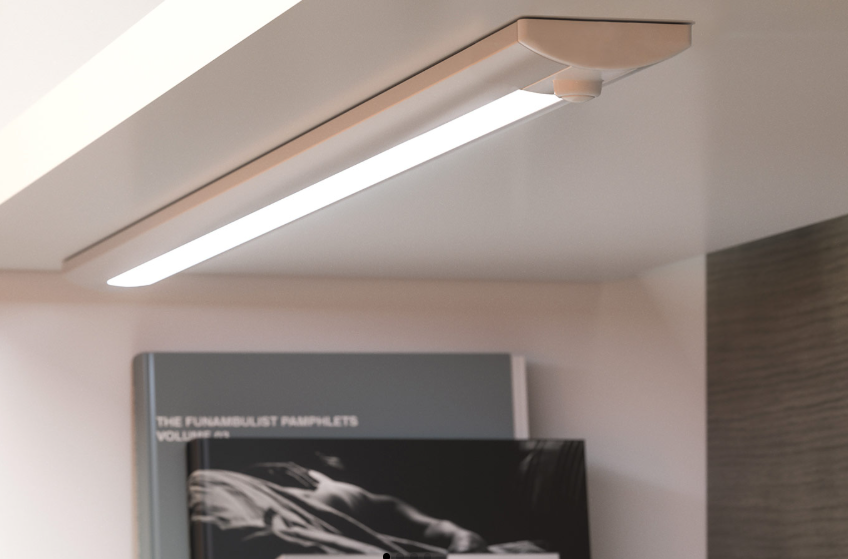

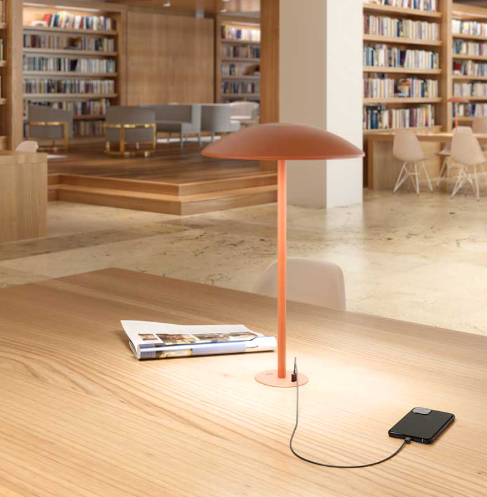
Power Saving Lighting for Office, Hospitality
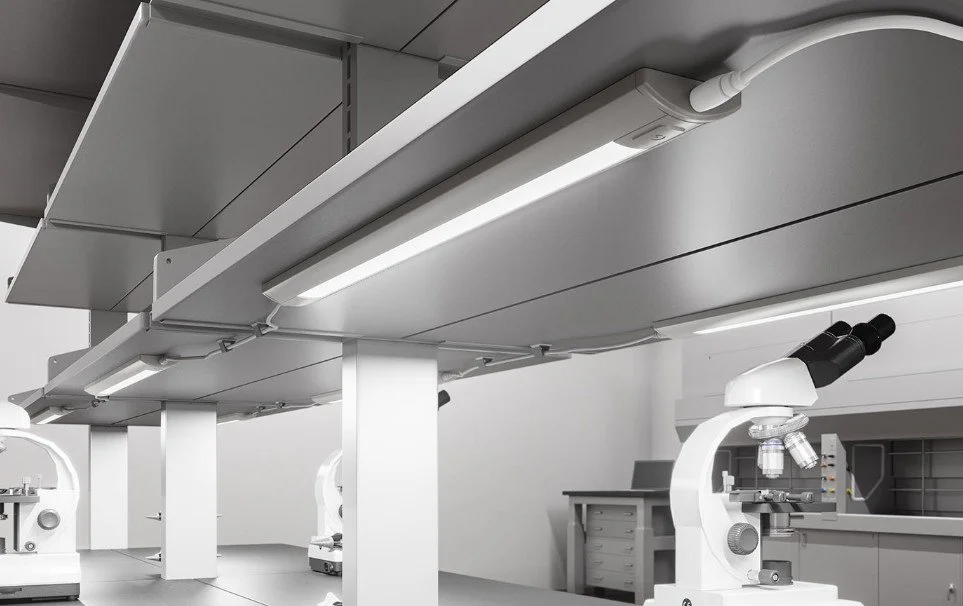
Laboratory and Medical